This post may contain affiliate links. If you buy through them, I may earn a small commission at no extra cost to you.
Kids learn best when they’re having fun. Building a block tower, sorting buttons by color or splashing in a water table might look like “just playing,” but it’s how little ones build language, problem-solving, motor skills and confidence. The best part? You don’t need fancy toys or flashcards.
Here are simple, everyday activities that help kids learn through play.
For babies and toddlers (0 to 2)
- Talk, sing and read together every day. Narrate what you’re doing (“Now we’re washing the apples!”) to build language.
- Tummy time and floor play with safe, colorful toys to reach for.
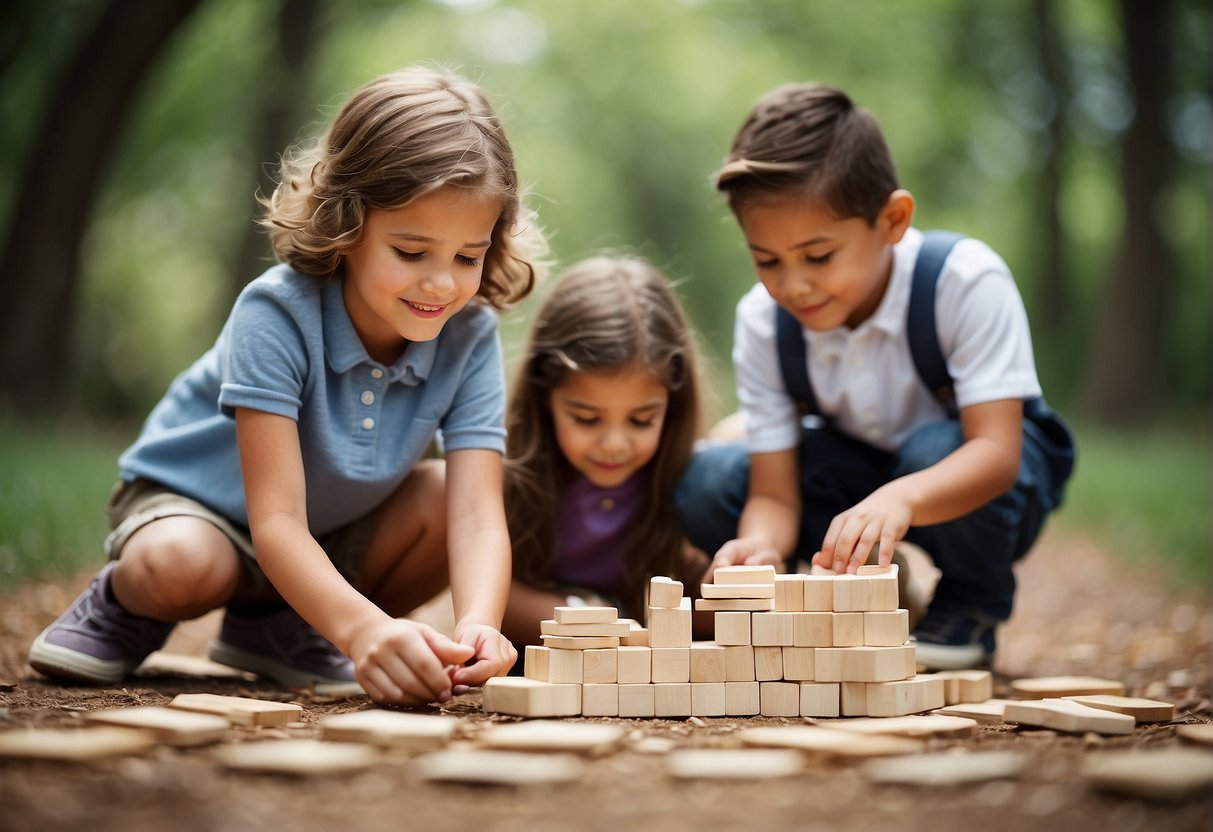
- Stacking cups and blocks for hand-eye coordination.
- Peekaboo and hide-the-toy games that teach that things still exist when they’re out of sight.
- Sensory bins with safe, large items like dry pasta or scarves (always supervised).
For preschoolers (3 to 5)
- Pretend play. A play kitchen, dress-up box or cardboard “store” builds imagination and social skills.
- Puzzles and matching games for problem-solving.
- Sorting and counting. Sort laundry by color, count stairs or match socks.
- Arts and crafts. Cutting, gluing and coloring strengthen little hands for writing later.
- Letter hunts. Look for the first letter of their name on signs and cereal boxes.
- Outdoor play. Running, climbing and jumping build big muscles and burn off energy.
For school-age kids (6 and up)
- Board games and card games teach math, strategy, taking turns and being a good sport.
- Building sets like blocks, bricks or marble runs for engineering skills.
- Cooking together. Measuring ingredients is real-life math! See my tips for cooking with kids.
- Gardening. Plants are science you can watch grow. Try these garden projects for kids.
- Library trips. Let them choose books about whatever they’re curious about.
- Simple science experiments like baking soda volcanoes or “sink or float.”
Tips to make learning fun
- Follow their interests. If they love dinosaurs, count dinosaurs, read dinosaur books and dig for “fossils” in the sandbox.
- Keep it short. Little attention spans are normal. Ten happy minutes beats an hour of frustration.
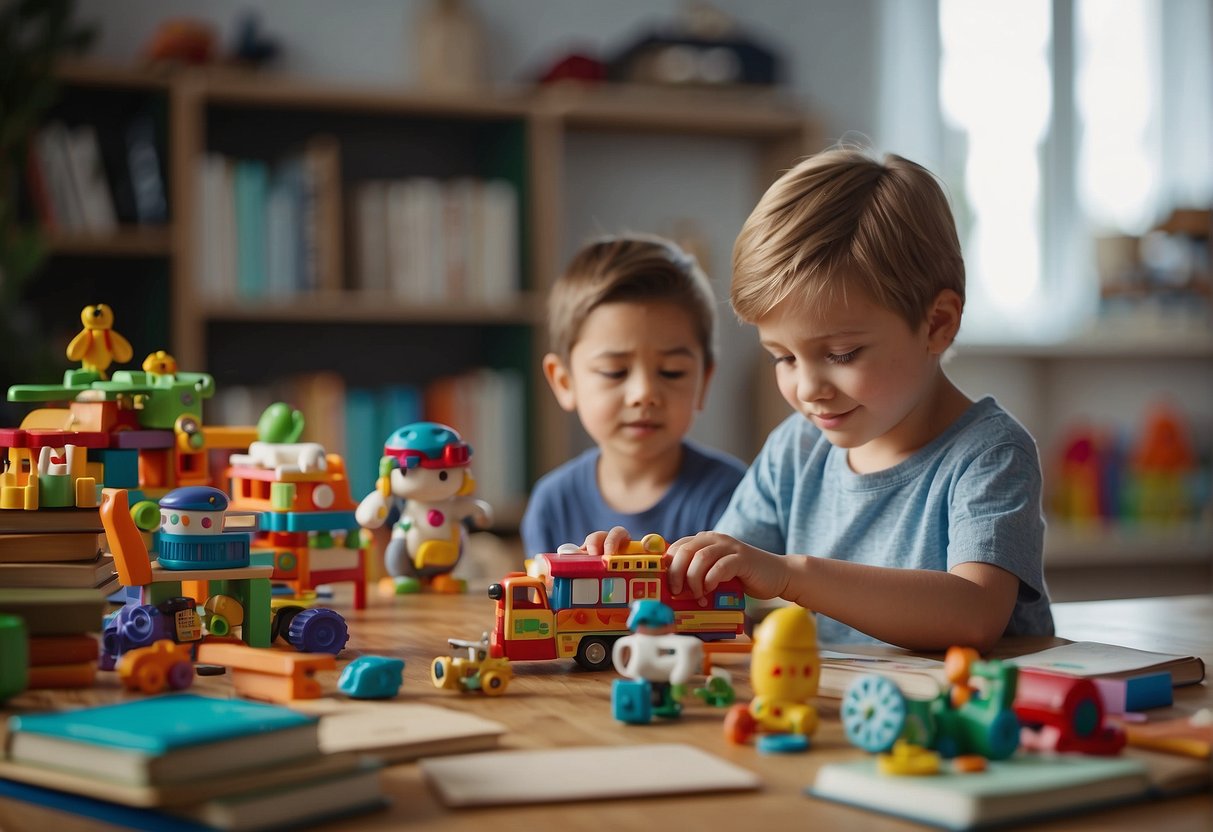
- Rotate toys. Put some away and bring them back later. Old toys feel new again!
- Limit screen time and choose quality shows or apps when you do use them.
- Play with them. Your attention is the best “educational toy” there is.
Learning through play FAQ
Do kids need expensive educational toys?
Not at all. Blocks, crayons, books, balls, pots and pans, and cardboard boxes are some of the best learning tools around.
What if I’m worried about my child’s development?
Every child grows at their own pace. If you have concerns, talk to your pediatrician. They can check milestones and point you to helpful resources.
Need more ideas for rainy days? My Free Printables Library has activity pages and seasonal printables, free when you join my email list.
You might also like:
Leave a Reply