

This post may contain affiliate links. If you buy through them, I may earn a small commission at no extra cost to you.
Composting is one of those projects that sounds complicated but really isn’t. You’re just helping nature turn kitchen scraps and yard waste into rich, crumbly soil for your garden. And kids? They think it’s the coolest science experiment ever, worms and all.
Here’s a simple way to start composting as a family.
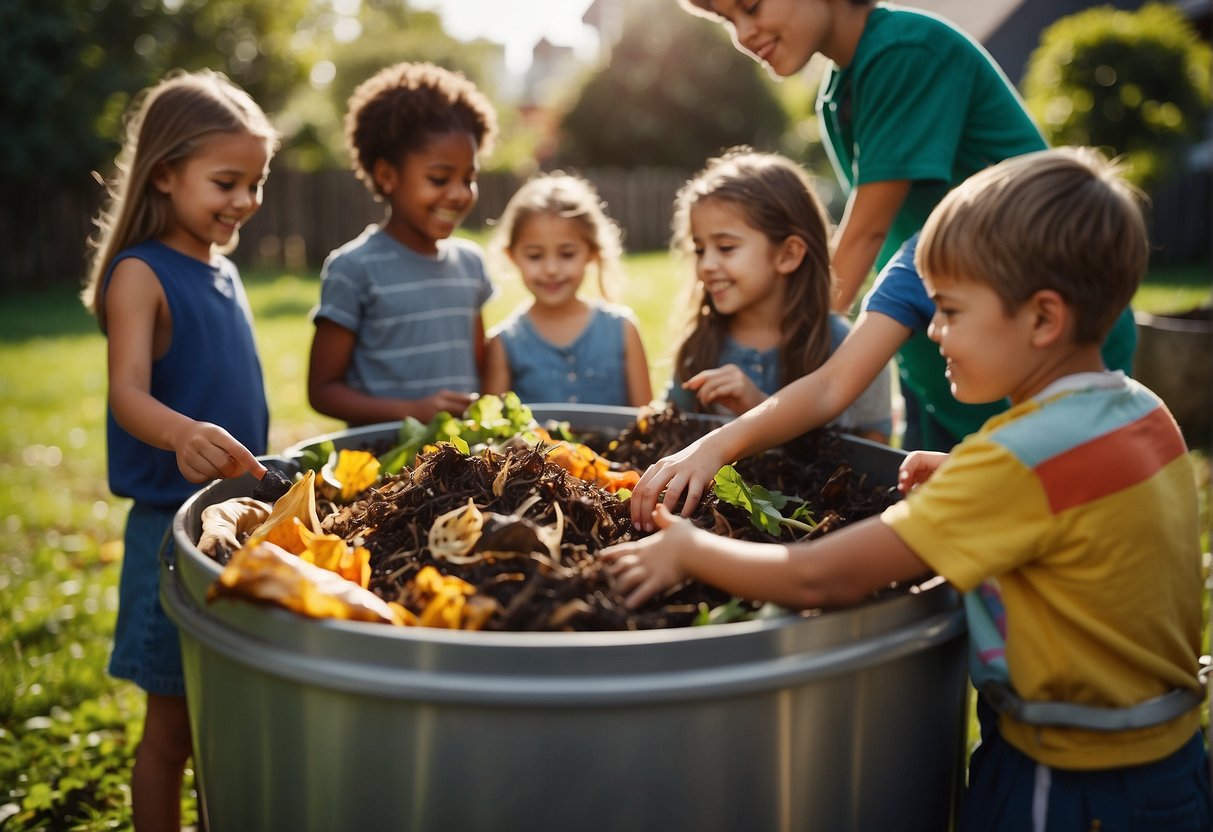
What is compost, anyway?
Compost is decomposed plant material. When you pile up things like fruit peels, leaves and grass clippings, tiny organisms (and worms!) break them down. A few months later, you have dark, earthy “black gold” that helps gardens grow.
Why compost with kids?
- It teaches them where food comes from and where it goes.
- It’s hands-on science: decomposition, recycling and the life cycle all in one.
- It cuts down on trash, which is a great lesson in caring for the earth.
- It gives your garden free, healthy soil.
Step 1: Pick a spot and a bin
Choose a level, well-drained spot that’s easy to reach from the kitchen door. You can buy a compost bin or tumbler, build a simple box from old pallets, or just start a pile in a corner of the yard. Tumblers are tidy and easy for kids to turn.
Step 2: Learn “greens” and “browns”
Good compost needs a mix of two kinds of ingredients. A simple rule is about two or three handfuls of browns for every handful of greens.
- Greens (wet): fruit and vegetable scraps, coffee grounds, tea bags, fresh grass clippings, plant trimmings.
- Browns (dry): dry leaves, shredded newspaper, plain cardboard, straw, small twigs.
Make it a game! Kids can sort scraps into a “green bucket” and a “brown bucket.”
Step 3: Know what stays out
Keep meat, fish, dairy, oils and greasy foods out of the bin. They smell and attract pests. Also skip pet waste, diseased plants and weeds that have gone to seed.
Step 4: Keep it damp and stir it up
Your pile should feel like a wrung-out sponge. Add a little water if it’s dry, or more browns if it’s soggy and smelly. Turn it with a pitchfork or shovel every week or two (or spin the tumbler) to add air, which speeds everything up.

Step 5: Use your finished compost
In a few months, the bottom of your pile will turn dark and crumbly and smell like earth. That’s finished compost! Mix it into garden beds, sprinkle it around plants or add it to potting mix for containers.
Fun ways to keep kids involved
- Make a compost journal. Draw what goes in each week and how the pile changes.
- Go on a worm hunt. Count the worms and other critters helping out.
- Take its temperature. A working pile warms up in the middle. A cheap compost thermometer makes it feel official.
- Give them a job. One child carries the kitchen bucket, another turns the pile.
- Grow something with it. Plant a few seeds in pots of your homemade compost and watch them grow.
Keep your garden notes in one place. The Garden Planner includes a garden journal for kids, seasonal to-do lists (like adding leaves to the compost each fall) and a planting calendar for when that rich compost is ready to use. It’s undated, so you can use it every year. Get the Garden Planner ($7) →
Composting FAQ
How long does compost take?
Anywhere from two months to a year, depending on the mix, moisture, heat and how often you turn it. Warm weather and regular turning make it faster.
Does compost smell bad?
A healthy pile smells earthy. If it smells sour or rotten, add more browns and turn it to let in air.
Can I compost without a yard?
Yes. A small indoor worm bin or a countertop collector you empty at a community garden both work for apartments.
Looking for more family activities? My Free Printables Library is full of planners and activity pages, free when you join my email list.
You might also like:
Leave a Reply