
This post may contain affiliate links. If you buy through them, I may earn a small commission at no extra cost to you.
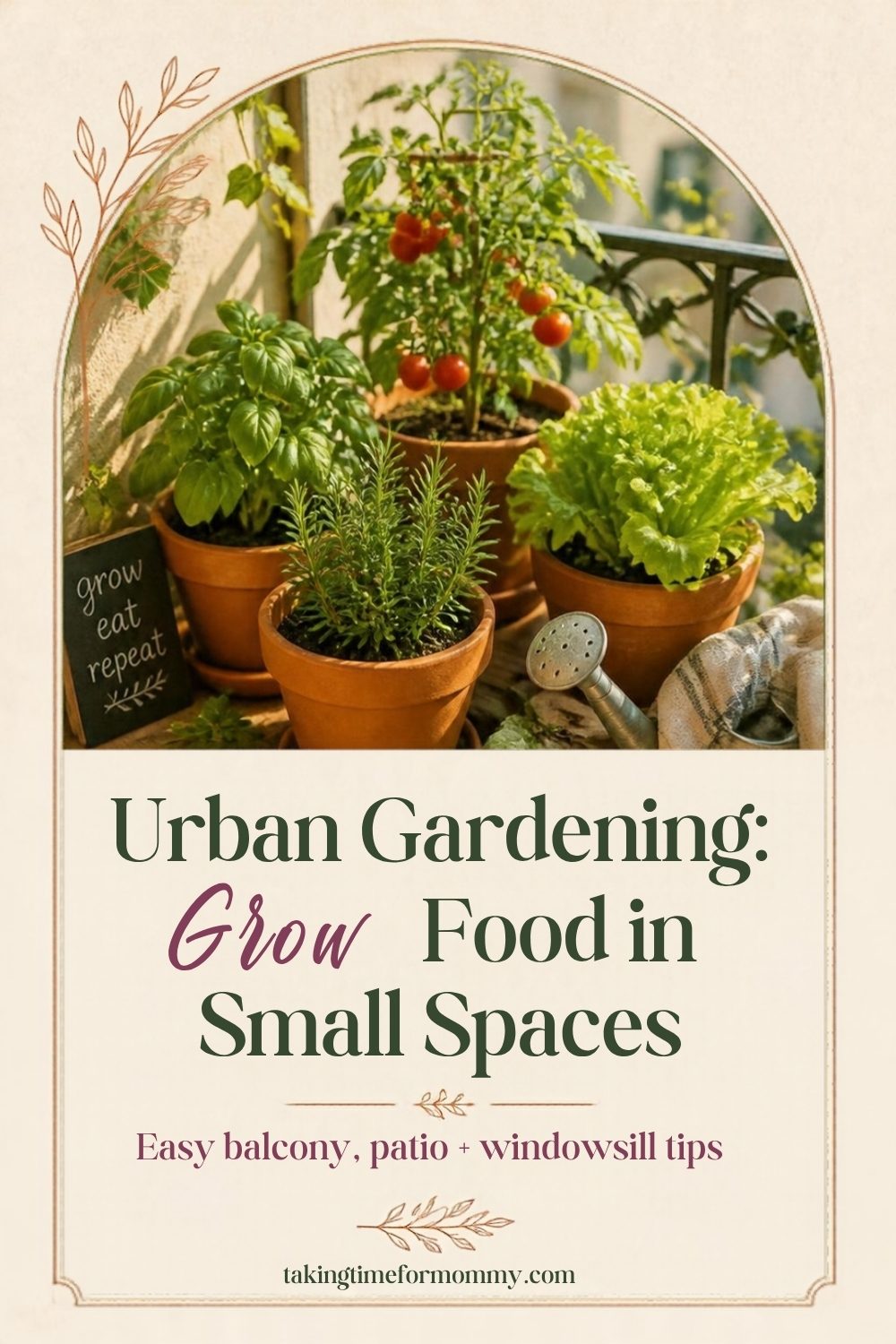
You don’t need a big backyard to grow your own food. A sunny balcony, a patio or even a bright windowsill can give you fresh herbs, salad greens and tomatoes all season long. Small-space gardening is also a wonderful way to get kids (and grandkids!) excited about where food comes from.
Here’s how to get started, even if you’ve never grown a thing.
1. Find your sunniest spot
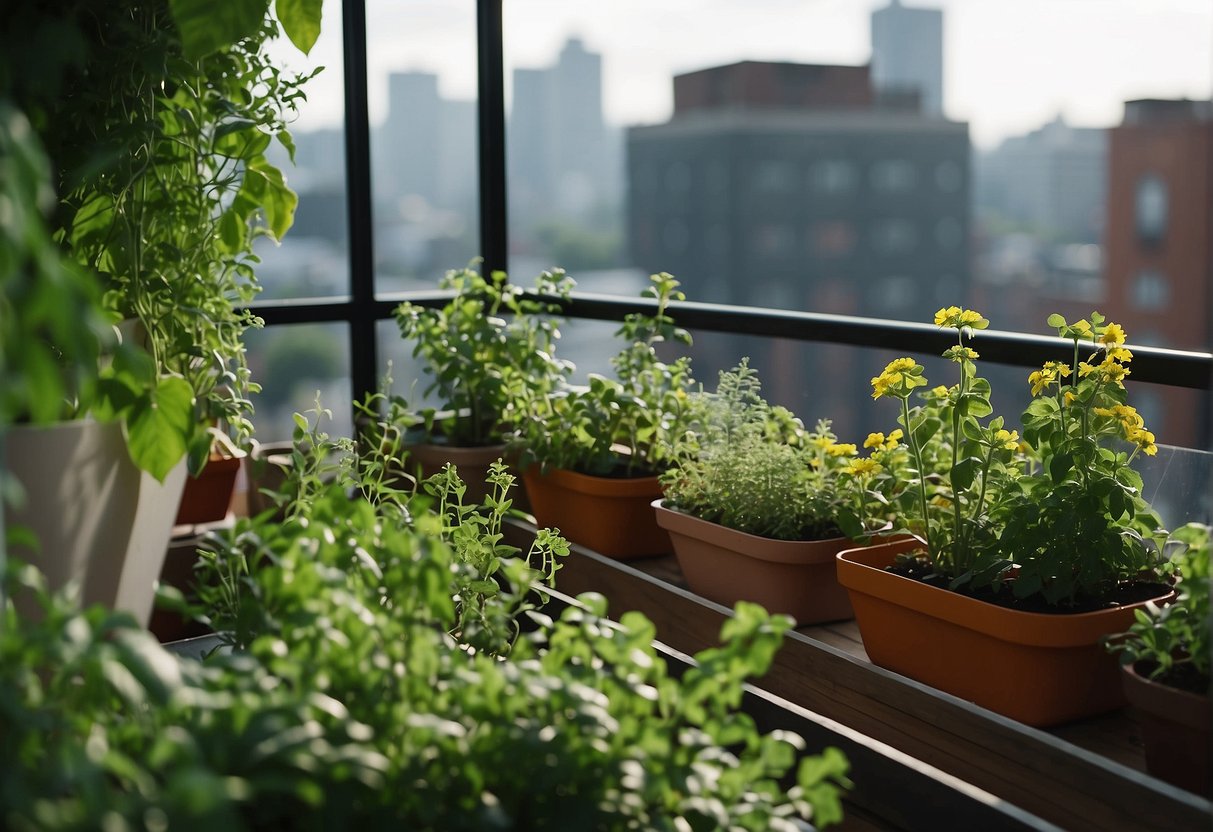
Most vegetables need 6 to 8 hours of sun a day. Watch your balcony, porch or windows for a day and note where the sun lands the longest. Less sun? Leafy greens and herbs like mint and parsley can get by with 4 or 5 hours.
2. Pick the right containers
- Bigger is better. Larger pots hold more soil, so they dry out more slowly. A 5-gallon pot is perfect for one tomato or pepper plant.
- Drainage holes are a must. Soggy roots are the number one container-garden killer.
- Get creative. Buckets, grow bags, old baskets lined with landscape fabric and window boxes all work.
- Go vertical. Railing planters, hanging baskets and tiered shelves let you grow more in less floor space.
3. Use potting mix, not garden dirt
Bagged potting mix is light and drains well, which is exactly what container plants need. Soil from the yard packs down hard in a pot. Mix in a little compost for extra nutrients if you have it.
4. Start with easy, high-reward plants
- Herbs: basil, parsley, chives, mint (give mint its own pot, it spreads!) and rosemary.
- Salad greens: lettuce, spinach and kale. Snip the outer leaves and they keep growing.
- Cherry tomatoes: look for “patio” or “dwarf” varieties made for pots.
- Peppers: both sweet and hot peppers do well in containers.
- Bush beans and radishes: fast, easy and fun for kids to harvest.
- Strawberries: lovely in hanging baskets.
Check your local planting calendar (your county extension office is a great free resource) so you plant at the right time for your area.
5. Water and feed regularly
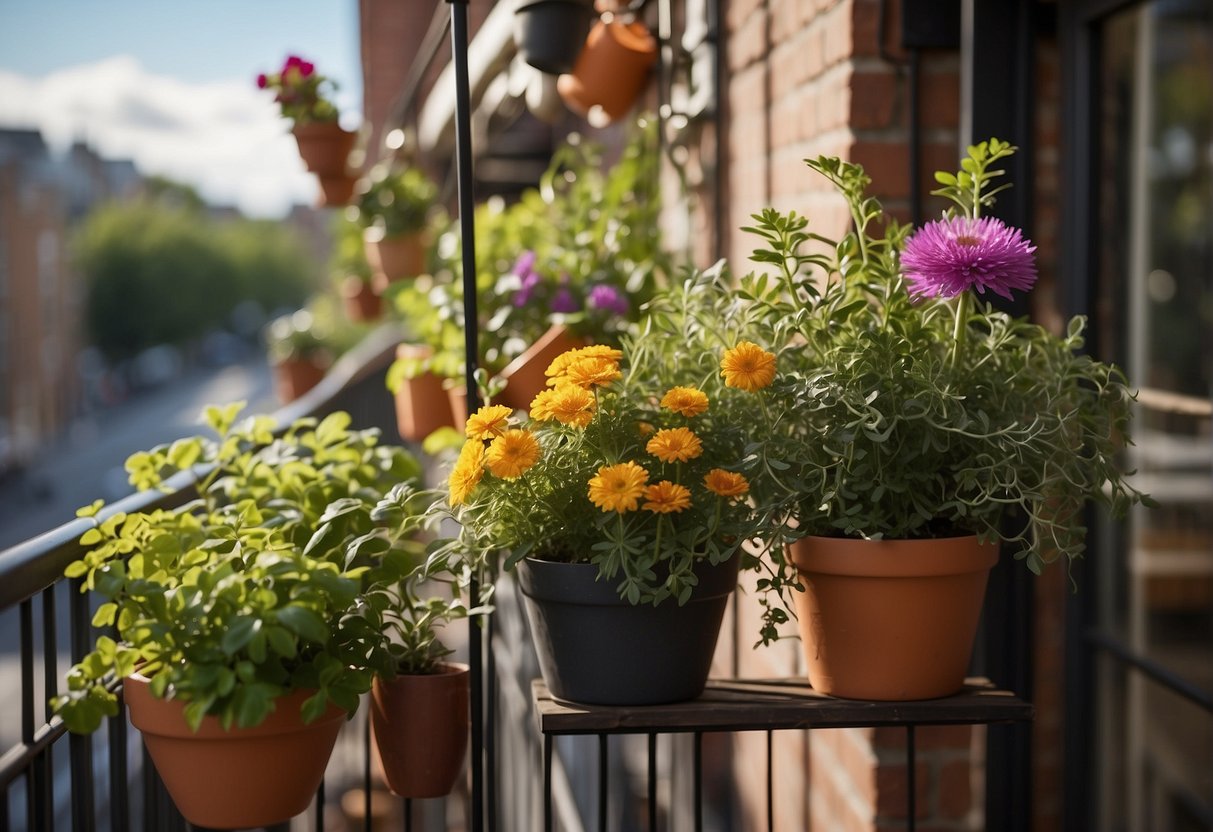
Containers dry out much faster than garden beds, especially in summer heat. Stick your finger an inch into the soil. If it’s dry, water until it runs out the bottom. In hot weather, that may be every day. A slow-release or liquid organic fertilizer every few weeks keeps plants producing.
6. Make it a family project
Give each child their own pot to plant and care for. Little ones love watering and checking for “new babies” every morning, and kids who grow vegetables are much more likely to eat them!
Small-space gardening tips
- Check your balcony’s weight limits and building rules before adding lots of heavy pots.
- Group pots together so they shade each other’s roots and hold moisture.
- Saucers under pots protect floors (just empty them so roots don’t sit in water).
- Start with three to five plants. It’s better to succeed small than get overwhelmed.
Planning a small-space garden? The Garden Planner has container and bed plans, a planting calendar and a harvest log, so you can see exactly what grew on your balcony or patio. It’s undated, so you can use it every year. Get the Garden Planner ($7) →
Urban gardening FAQ
What’s the easiest vegetable to grow in a pot?
Lettuce and other salad greens are about as easy as it gets. Cherry tomatoes and herbs are close behind.
Can I grow vegetables indoors?
Yes. Herbs and greens do well on a bright, south-facing windowsill. A small grow light helps in winter.
Love a good printable? My Free Printables Library has planners, trackers and seasonal goodies, free when you join my email list.
You might also like:
Leave a Reply