
This post may contain affiliate links. If you buy through them, I may earn a small commission at no extra cost to you.
Ask any gardener why they love it, and you’ll often hear the same thing: “It’s my happy place.” There’s something about digging in the dirt, watching a seed sprout and breathing fresh air that just makes you feel better. And it’s not just a feeling. Many studies have linked gardening and time outdoors with lower stress and a better mood.
Here’s how gardening can support your mental well-being, plus easy ways to get started.
How gardening helps you feel better
- It eases stress. Time in nature and gentle, repetitive tasks like weeding and watering can help your mind slow down.
- It gets you moving. Digging, planting and carrying watering cans is real physical activity, which is good for mood.
- It brings you into the present. Paying attention to the feel of the soil and the smell of herbs is a lot like mindfulness.
- It gives you a sense of accomplishment. Seeing something grow because you cared for it feels wonderful.
- It gets you sunshine and fresh air, which many people find lifts their spirits.
- It can be social. Community gardens, plant swaps and gardening with family build connection.
Easy ways to start (even with little time or space)
- Start with one pot. A pot of herbs on the porch or windowsill counts! See my tips for small-space gardening.
- Pick easy plants so your first experience is a happy one. Here are easy plants for beginners.
- Make it a ritual. Water your plants with your morning coffee or take an evening “garden stroll.”
- Grow something that smells good, like lavender, rosemary or mint, and brush the leaves as you pass.
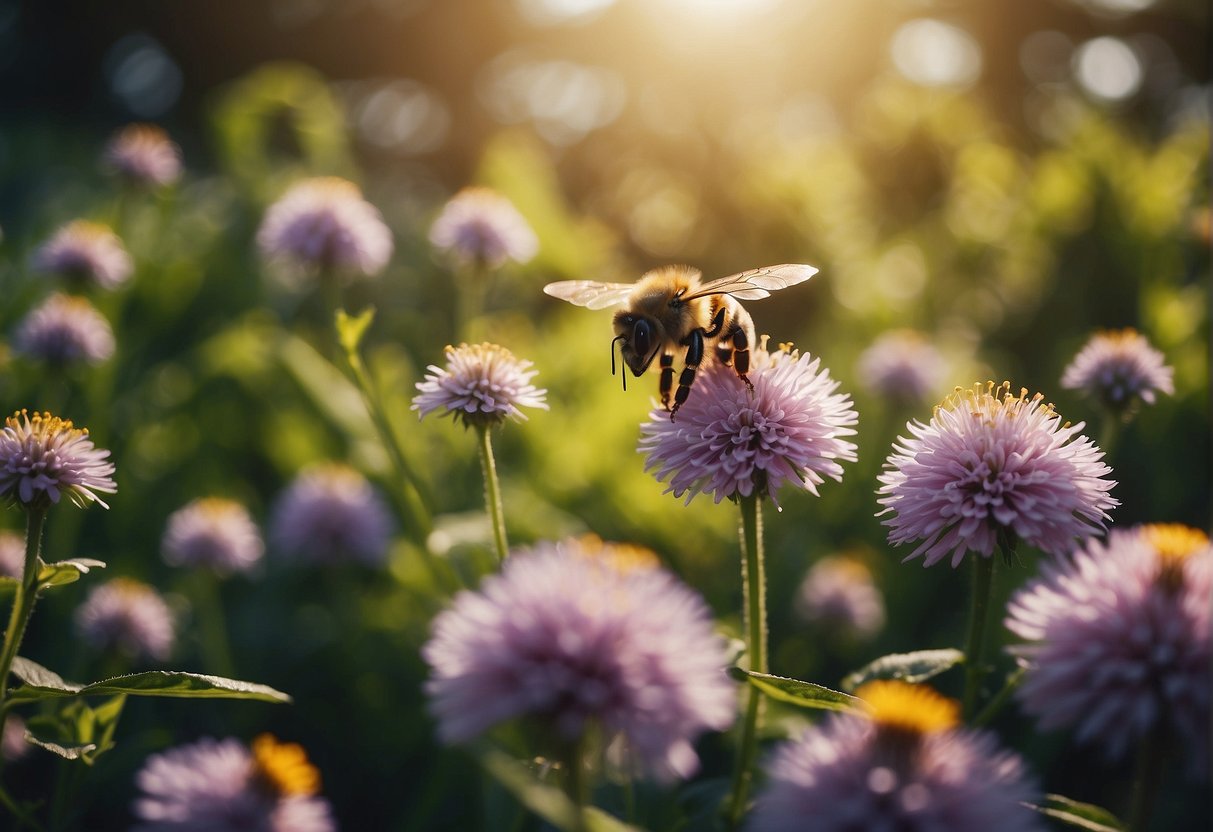
- Plant flowers for pollinators. Watching bees and butterflies visit is pure joy. Learn more about gardening for wildlife.
Gardening as family time
Gardening with your kids is a sweet way to slow down together. Little ones love to dig, water and find worms. Try these garden projects for kids.
Keep it relaxing, not stressful
- Start small so it doesn’t become another chore on your list.
- Let go of perfection. Some plants won’t make it, and that’s how every gardener learns.
- Use a stool or kneeling pad and take breaks to protect your back and knees.
- Wear sunscreen and a hat, and drink plenty of water.
When you need more support
Gardening is a lovely way to care for yourself, but it isn’t a replacement for professional help. If you’re feeling down, anxious or overwhelmed most days, please talk to your doctor or a mental health professional.
Start small and write it down. The Garden Planner gives you a simple place to plan, a garden journal and an end-of-season review, so you can see how far you’ve come. It’s undated, so you can use it every year. Get the Garden Planner ($7) →
Gardening and well-being FAQ
How much time do I need to spend gardening to feel the benefits?
Even a few minutes outside with your plants can help you feel calmer. Regular, small doses are a great place to start.
Do indoor plants help too?
Many people find caring for houseplants relaxing and rewarding. A sunny windowsill garden is a great option in winter.
You might also like:
Leave a Reply